













How to Change Spark Plugs

Changing spark plugs is an essential maintenance task for any vehicle owner. Although it may seem intimidating at first, it is a relatively straightforward process that can be done at home with a few basic tools. In this article, we will guide you through the step-by-step process of changing spark plugs in your vehicle. Let's get started!
Understanding the Role of Spark Plugs
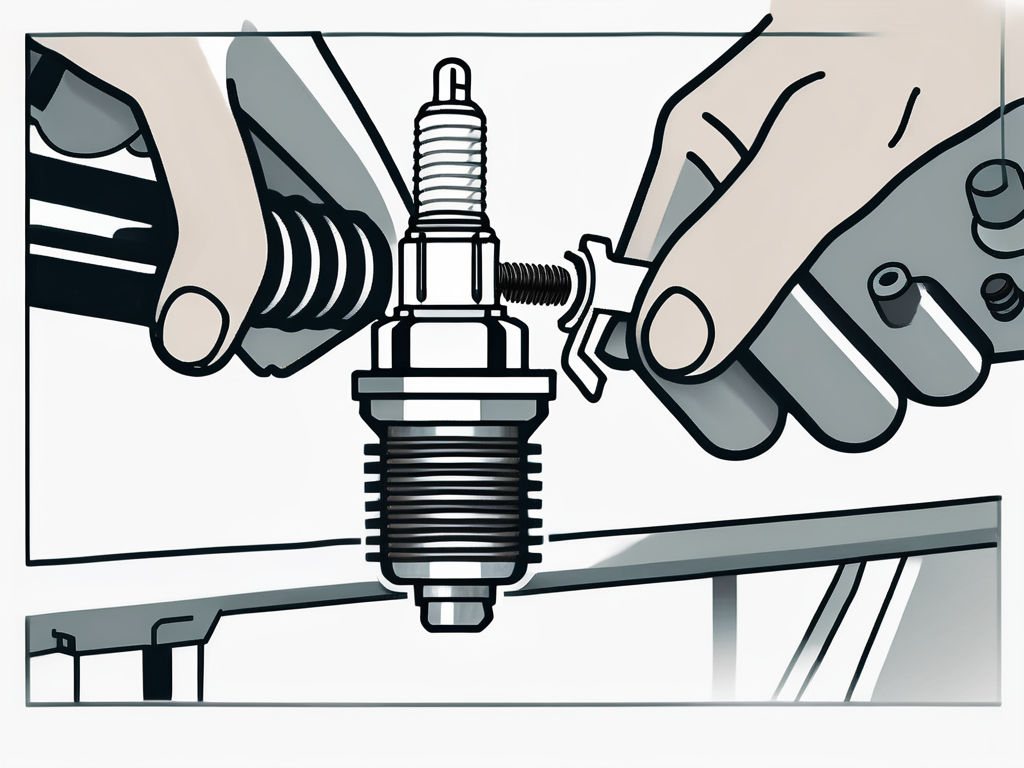
Before diving into the process, it's important to understand the crucial role spark plugs play in your vehicle's engine performance. Spark plugs are responsible for igniting the air-fuel mixture inside the engine's cylinders, thus creating the necessary power for your car to run. Without properly functioning spark plugs, your engine may experience misfires, reduced fuel efficiency, and even difficulty starting.
Furthermore, spark plugs are not one-size-fits-all components. There are different types of spark plugs available, each designed for specific engine types and performance needs. It's essential to choose the right spark plugs for your vehicle to ensure optimal combustion and engine efficiency.
The Function of Spark Plugs in Your Vehicle
Spark plugs function by creating an electrical spark that ignites the compressed air-fuel mixture inside the cylinders. This controlled explosion initiates the power stroke in the engine, propelling your vehicle forward. Over time, spark plugs can wear out due to heat, carbon deposits, and general wear and tear.
Moreover, the gap between the spark plug electrodes plays a critical role in the ignition process. This gap needs to be precisely set to ensure the spark occurs at the right moment for efficient combustion. Regularly checking and adjusting the spark plug gap can help maintain your engine's performance and fuel economy.
Signs of Worn-Out Spark Plugs
Identifying the signs of worn-out spark plugs is crucial for maintaining your vehicle's performance. Some common symptoms include rough idling, decreased acceleration, difficulty starting, and poor fuel efficiency. If you notice any of these issues, it's likely time to change your spark plugs.
Additionally, neglected spark plugs can lead to more serious engine problems over time, such as engine misfires and increased emissions. Regularly inspecting and replacing your spark plugs as part of your vehicle maintenance routine can prevent costly repairs and ensure smooth operation of your engine.
Preparations Before Changing Spark Plugs
Before getting started, it's important to gather all the necessary tools and take some safety measures.
Changing spark plugs is a routine maintenance task that can improve your vehicle's performance and fuel efficiency. By replacing old spark plugs, you can ensure proper combustion and ignition within the engine, leading to smoother operation and better fuel economy.
Gathering Necessary Tools
To change spark plugs, you'll need a few basic tools, including a spark plug socket, ratchet, spark plug gap tool, and a torque wrench (if required). Make sure to consult your vehicle's owner's manual for the correct spark plug size and torque specifications.
Additionally, having a can of compressed air or a small brush can be handy to clean any debris around the spark plug wells before removing the old plugs. This helps prevent dirt or contaminants from falling into the cylinders when the spark plugs are taken out.
Safety Measures to Consider
Ensure that your vehicle is parked on a flat surface and the engine has cooled down completely before starting the process. Wearing safety goggles and gloves is also recommended to protect yourself from any potential injury.
It's a good idea to disconnect the vehicle's battery before beginning the spark plug replacement to prevent any electrical mishaps. This simple step can help avoid accidental sparks and ensure a safer working environment while handling the ignition system components.
Step-by-Step Guide to Changing Spark Plugs
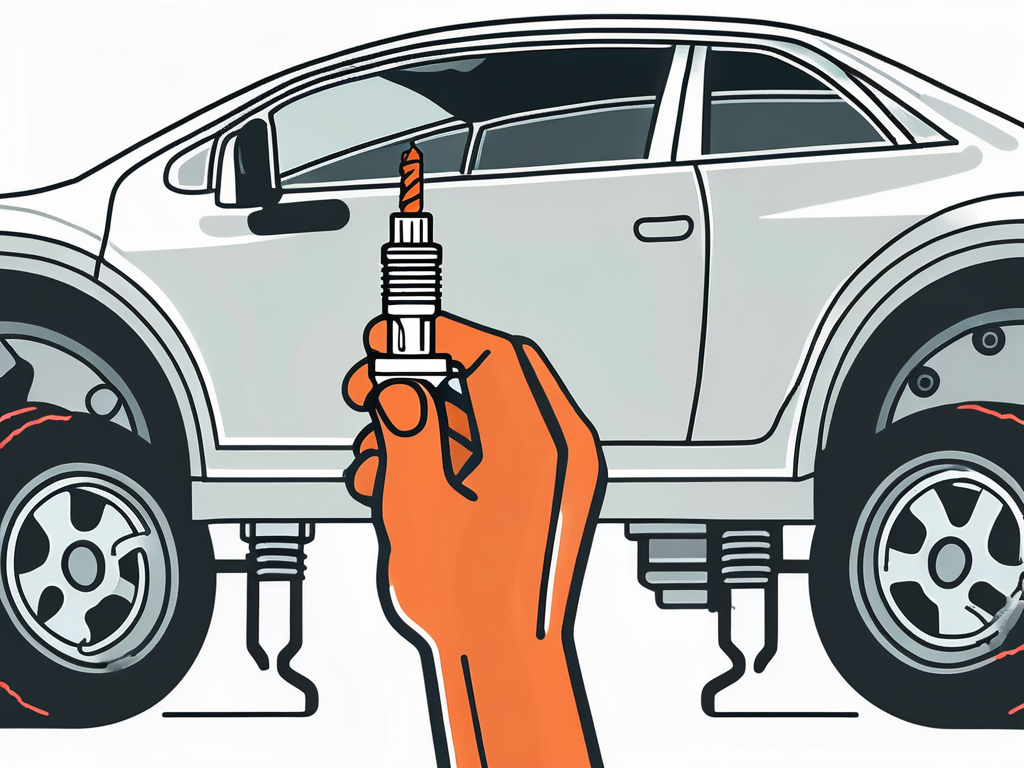
Now that you're prepared, let's walk through the process of changing spark plugs.
Locating the Spark Plugs
The first step is locating the spark plugs in your vehicle's engine bay. In most cases, they are attached to the engine cylinder head and are easily accessible. However, some vehicles may require removing engine covers or other components to access them. Refer to your vehicle's owner's manual for the exact location.
It's important to note that the arrangement of spark plugs can vary depending on the engine type. For inline engines, the spark plugs are typically lined up in a row along one side of the engine. On the other hand, V-shaped engines will have spark plugs arranged in two rows, with each row corresponding to one side of the V. Understanding your engine's layout will help you locate and identify each spark plug efficiently.
Removing the Old Spark Plugs
Once you've located the spark plugs, carefully remove the ignition coil or spark plug wire from the first spark plug. Use the spark plug socket and ratchet to loosen and remove the old spark plug. Inspect the old spark plug for any signs of damage, corrosion, or excessive carbon buildup.
When removing the spark plugs, it's essential to handle them with care to avoid damaging the delicate electrodes. A gentle and steady hand will ensure that the spark plugs are extracted smoothly without any issues. Take your time during this step to prevent any debris from falling into the combustion chamber, which could potentially cause damage to the engine.
Installing the New Spark Plugs
Before installing the new spark plugs, it's crucial to check and adjust the spark plug gap using a spark plug gap tool. Consult your vehicle's owner's manual for the recommended gap specification. Carefully thread the new spark plug into the cylinder head by hand, ensuring it is properly aligned. Using the spark plug socket and ratchet, tighten the spark plug according to the specified torque settings.
Post-Installation Checks and Maintenance
After installing the new spark plugs, it's important to perform some post-installation checks and maintenance. Taking the time to ensure everything is in proper working order can help optimize the performance of your vehicle and prevent potential issues down the road.
One crucial step in the post-installation process is to start the engine and listen for any abnormal sounds. A smooth and consistent engine sound indicates that the spark plugs are functioning correctly. If you hear any unusual noises, it may be a sign of improper installation or a faulty spark plug.
Checking the Installation
Double-check all the spark plugs to ensure they are tightened properly and securely. Reattach the ignition coils or spark plug wires, making sure they are firmly connected. It's also a good practice to label or note the replacement date for future reference. Keeping a record of when the spark plugs were last changed can help you stay on top of your vehicle's maintenance schedule.
Furthermore, inspecting the surrounding components, such as the ignition coils and wiring harness, can provide additional assurance that everything is in place. Look for any signs of wear or damage that may affect the performance of the spark plugs.
Maintaining Your Spark Plugs for Longevity
To ensure your new spark plugs last as long as possible, it's vital to follow proper maintenance practices. Regularly inspect and clean the spark plugs to prevent carbon buildup. Carbon deposits can hinder the spark plugs' ability to ignite the air-fuel mixture efficiently, leading to decreased engine performance.
In addition to visual inspections, using a gap tool to check and adjust the spark plug gap can help maintain optimal performance. Ensuring the correct gap distance is crucial for efficient combustion and overall engine health. By incorporating these maintenance tasks into your routine, you can help prolong the lifespan of your spark plugs and keep your vehicle running smoothly.
Troubleshooting Common Issues
While changing spark plugs is usually a straightforward process, sometimes issues may arise. Here's how to troubleshoot common problems.
Dealing with Stuck Spark Plugs
If you encounter a spark plug that is difficult to remove, avoid excessive force as it can cause damage. Instead, try applying a rust penetrant spray and allow it to soak for a few minutes before attempting to remove the spark plug again. If the spark plug remains stuck, it's recommended to seek professional assistance.
Stuck spark plugs can be a result of corrosion or carbon buildup over time. The rust penetrant spray works by loosening the bond between the spark plug and the cylinder head, making it easier to remove. It's important to be patient during this process to avoid damaging the threads in the cylinder head.
Addressing Misfires After Installation
If you experience misfires or other issues after installing new spark plugs, it could indicate improper installation or other underlying problems. Double-check the spark plug gaps, tightening torque, and ignition coil connections. If the problem persists, it's best to consult a mechanic for further diagnosis and repair.
Proper installation of spark plugs is crucial for the smooth operation of your engine. Ensuring the correct gap and torque specifications are met will help prevent misfires and other performance issues. Additionally, inspecting the ignition coil connections for any signs of damage or corrosion can help maintain a reliable spark.
Congratulations! You have successfully learned how to change spark plugs in your vehicle. With proper maintenance and timely replacement, your engine will run smoothly and provide optimal performance. Remember, if you're unsure or uncomfortable performing this task yourself, it's always best to consult a certified mechanic.