














How to Choose the Right Tires for Your Vehicle: A Step-by-Step Guide

Choosing the right tires for your vehicle is crucial for ensuring safety, performance, and longevity. With so many options available, it can be overwhelming to make the right choice. But fear not! In this step-by-step guide, we will break down the process for you and help you make an informed decision. Let's dive in!
Understanding Your Vehicle's Tire Needs
Before you start browsing through tire catalogs, it's important to assess your driving conditions, evaluate your vehicle's specifications, and consider your driving habits. Let's take a closer look at each of these factors.
Assessing Your Driving Conditions
The first step in choosing the right tires is to consider the type of driving conditions you typically encounter. Do you mainly drive on highways or city streets? Are you frequently faced with wet or snowy roads? Or do you often venture off-road? By understanding your driving conditions, you can narrow down the options and find tires that are well-suited for your needs.
If you frequently drive on highways, you'll want to look for tires that offer excellent traction and stability at high speeds. These tires are designed to provide a smooth and comfortable ride, while also ensuring optimal fuel efficiency. On the other hand, if you often find yourself navigating through city streets, tires with good grip and maneuverability are essential. These tires are designed to handle quick turns and sudden stops, ensuring your safety in urban environments.
For those who frequently encounter wet or snowy roads, it's important to prioritize tires with excellent wet and snow traction. These tires are designed with special tread patterns and compounds that enhance grip on slippery surfaces, reducing the risk of hydroplaning and improving overall traction. Additionally, if you enjoy off-roading adventures, you'll need tires with rugged tread patterns and strong sidewalls to withstand the demands of uneven terrain.
Evaluating Your Vehicle's Specifications
Next, take a look at your vehicle's specifications. Check your owner's manual or the sidewall of your current tires to find information such as tire size, load index, and speed rating. These specifications are important as they dictate the type and size of tires that are compatible with your vehicle. Make sure to note down these details as you'll need them later in the tire-buying process.
Tire size is a crucial factor to consider, as using the wrong size can negatively impact your vehicle's performance and safety. The load index determines the maximum weight that a tire can support, so it's important to choose tires that can handle the weight of your vehicle and any additional cargo. The speed rating indicates the maximum speed at which a tire can safely operate, so it's essential to select tires that are rated for the speeds you typically drive.
Considering Your Driving Habits
Lastly, think about your driving habits. Are you a cautious driver who prioritizes comfort and fuel efficiency? Or do you prefer a sportier driving experience? Your driving habits can influence the type of tires you choose. For example, if you enjoy spirited driving or participate in track days, performance tires might be a better fit for you. These tires are designed to provide exceptional grip and handling, allowing you to push your vehicle to its limits on the road or track.
On the other hand, if you prioritize comfort and all-season capabilities, a set of all-season tires might be the way to go. These tires are designed to provide a smooth and quiet ride, while also offering reliable performance in various weather conditions. They are a great option for drivers who want a balance between comfort, handling, and year-round versatility.
By carefully considering your driving conditions, evaluating your vehicle's specifications, and taking into account your driving habits, you can make an informed decision when it comes to choosing the right tires for your vehicle. Remember, tires play a crucial role in your safety and driving experience, so it's worth investing time and effort into finding the perfect match.
Decoding Tire Specifications
Now that you have a clear understanding of your vehicle's tire needs, let's dive into decoding tire specifications. This knowledge will help you make sense of the information provided by tire manufacturers and retailers.
When it comes to tire specifications, there's more than meets the eye. Understanding the intricacies of tire sizes, speed ratings, and load indexes can make a significant difference in your driving experience and overall safety on the road.
Understanding Tire Sizes
Tire sizes can seem confusing at first glance, but they follow a standardized format. The size is typically displayed on the sidewall of a tire and consists of a series of numbers and letters, such as P215/60R16. The "P" stands for passenger car, followed by the tire width in millimeters, aspect ratio, and rim diameter. Understanding these numbers will help you identify tires that are compatible with your vehicle.
Additionally, the aspect ratio of a tire plays a crucial role in its performance. This ratio represents the height of the tire's sidewall as a percentage of its width. A lower aspect ratio indicates a shorter sidewall, which can improve handling and cornering capabilities. On the other hand, a higher aspect ratio provides a more comfortable ride by absorbing road imperfections.
Interpreting Speed Ratings
Speed ratings indicate the maximum speed at which a tire can safely operate. These ratings are denoted by letters, with each letter corresponding to a specific speed range. For example, a tire with a speed rating of "H" can safely handle speeds up to 130 mph. When choosing tires, make sure to select a speed rating that matches the capabilities of your vehicle.
Moreover, it's essential to consider your driving habits and typical road conditions when selecting a speed rating. Opting for a higher speed rating than necessary can provide added safety margins, especially during emergency maneuvers or sudden stops.
Deciphering Load Index
The load index of a tire indicates the maximum weight it can support. This value is also expressed as a number and can be found on the sidewall of the tire. When selecting tires, it's important to choose ones with a load index that meets or exceeds the weight of your vehicle.
Keep in mind that overloading your vehicle can lead to premature tire wear, reduced handling capabilities, and increased risk of tire failure. By understanding and adhering to the load index recommendations, you can ensure optimal performance and safety for your vehicle.
Types of Tires and Their Uses
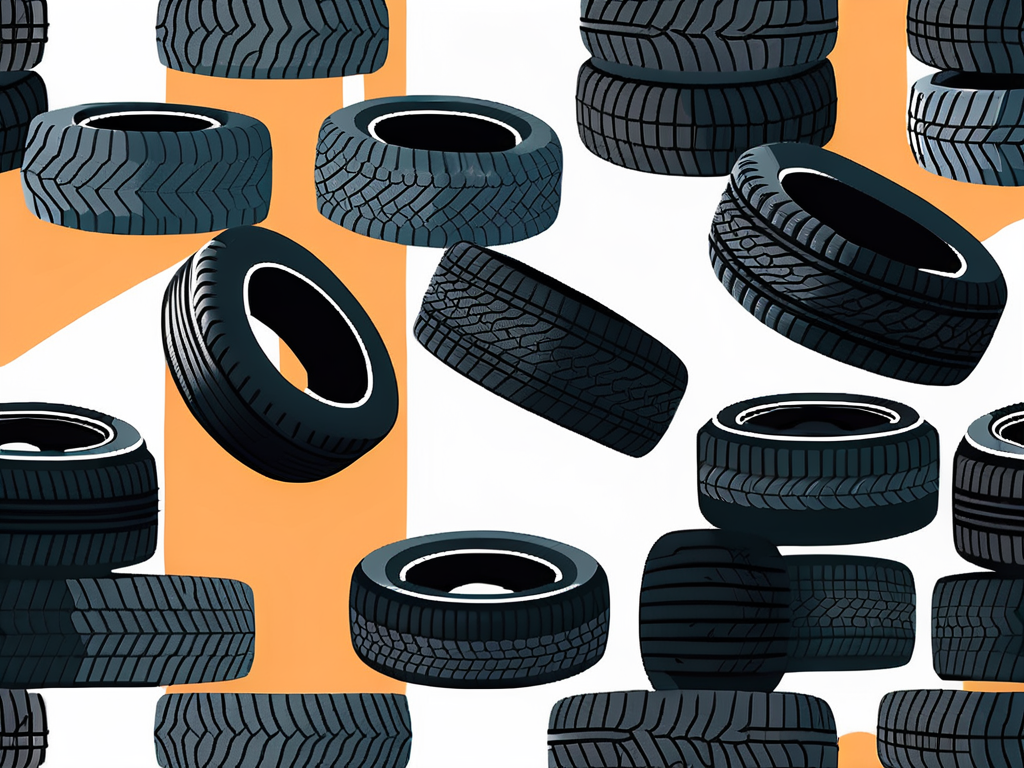
Now that you're familiar with tire specifications, let's explore the different types of tires and their specific uses. Understanding the purpose of each tire type will help you make an informed decision.
All-Season Tires
All-season tires are designed to provide good performance in various conditions, including dry, wet, and light snowy conditions. They offer a balanced mix of performance, comfort, and long tread life, making them a popular choice for most drivers. All-season tires are great for everyday commuting and general driving.
Performance Tires
If you're a driving enthusiast or enjoy spirited driving, performance tires are worth considering. These tires are specifically engineered to deliver enhanced grip, cornering capabilities, and responsive handling. They are ideal for sports cars, high-performance sedans, and drivers who prioritize performance over comfort.
Winter Tires
Winter tires, also known as snow tires, are designed to provide maximum traction in snowy, icy, and freezing conditions. They feature specialized rubber compounds and unique tread patterns that optimize grip on slippery surfaces. If you live in an area with harsh winters or frequently encounter icy roads, winter tires are a must-have for safe and confident driving.
Off-Road Tires
For adventure seekers and off-road enthusiasts, off-road tires are a game-changer. These tires are built to tackle rugged terrains, such as dirt, mud, and rocky trails. With aggressive tread patterns and reinforced sidewalls, off-road tires offer excellent traction and durability for off-roading adventures. Just remember that off-road tires may sacrifice some on-road comfort and noise levels.
Making the Purchase
Now that you've narrowed down your tire options, it's time to make the purchase. Here are some important considerations when buying tires.
Where to Buy Your Tires
There are several options when it comes to buying tires. You can visit your local tire shop, check with online retailers, or even consider purchasing from a dealership. Whichever option you choose, make sure to read reviews, compare prices, and inquire about additional services like installation and tire disposal.
What to Look for in a Tire Retailer
When selecting a tire retailer, it's important to consider factors like reputation, customer service, and warranty offerings. Look for retailers with a solid track record of customer satisfaction and transparent pricing. Additionally, inquire about warranty coverage for defects or premature tire wear.
Ensuring Proper Installation
Once you've purchased your tires, ensure they are installed by a qualified professional. Proper installation is essential for optimal tire performance and safety. Make sure the installer follows the correct procedures, including proper torque settings and balancing. Improve longevity and performance by regularly rotating your tires and maintaining proper tire pressure.
Choosing the right tires for your vehicle doesn't have to be an overwhelming task. By understanding your vehicle's tire needs, decoding tire specifications, knowing the different types of tires available, and making an informed purchase, you can drive with confidence and enjoy a safe and comfortable ride. Remember, investing in high-quality tires is an investment in your safety and driving experience.
Shop tires at Tire Rack for a wide selection, competitive prices, and excellent customer service.