









How to Improve Your Vehicle Interior Lighting

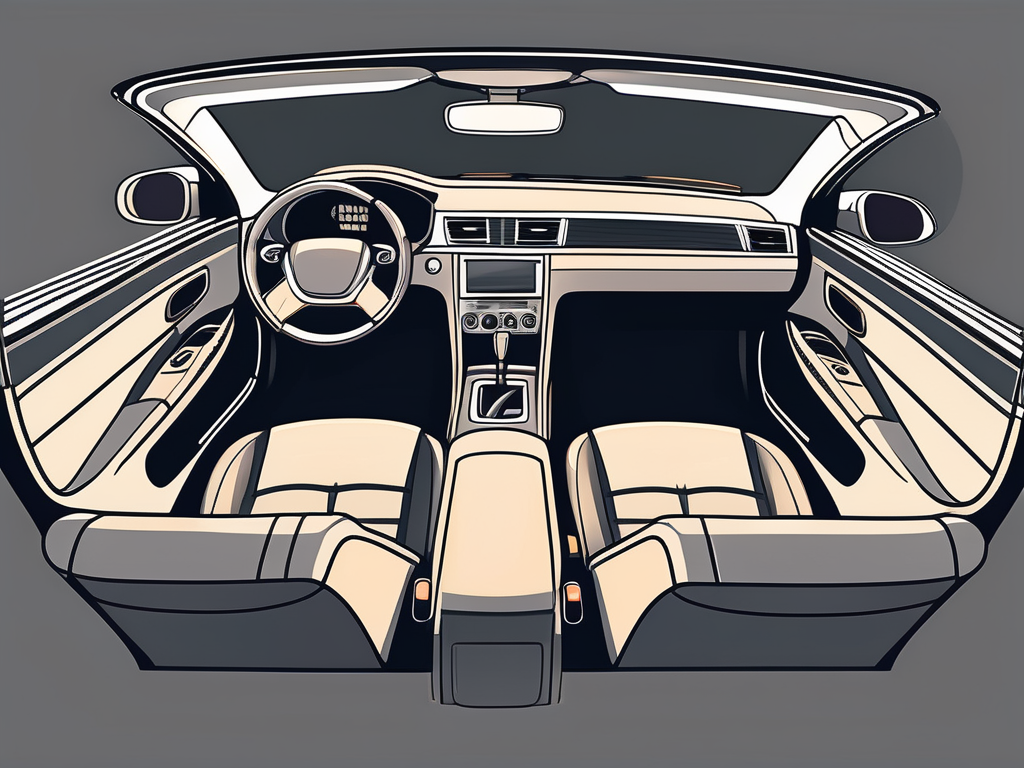
When it comes to driving, visibility is key. But while most drivers focus on exterior lighting, the importance of interior lighting is often overlooked. Good interior lighting not only enhances the aesthetic appeal of your vehicle but also improves functionality and safety. Whether you're looking for a subtle glow or a vibrant light show, there are plenty of ways to upgrade your vehicle's interior lighting. Let's dive in and explore how you can take your car's interior from drab to fab.
Understanding the Basics of Vehicle Interior Lighting
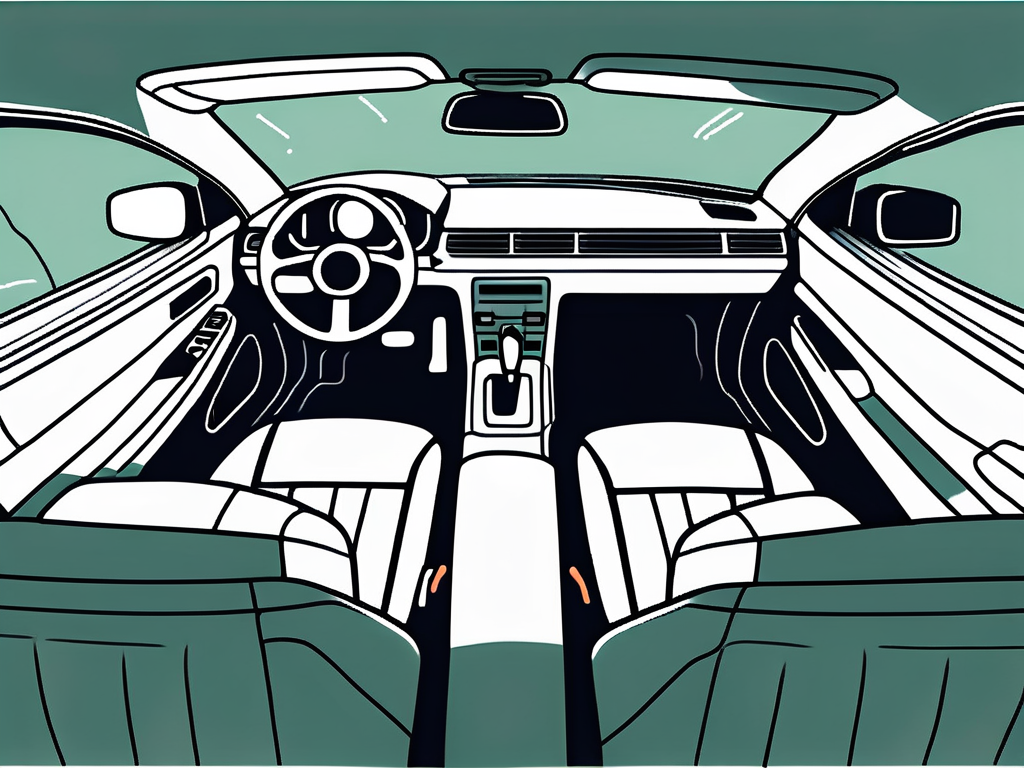
Before we delve into the how-to, it's crucial to understand the basics of vehicle interior lighting. The interior lights in your car serve two main purposes: functionality and aesthetics. Functionally, they help you see and operate the vehicle's controls and features in low light conditions. Aesthetically, they can enhance the overall look and feel of the vehicle's interior, creating a pleasant driving environment.
Interior lights are typically powered by your vehicle's battery and controlled by switches. Some vehicles also have automatic interior lights that turn on when you open the car door or when the ambient light is low. The type, size, and placement of the lights can vary greatly depending on the vehicle's make and model.
Types of Interior Lights
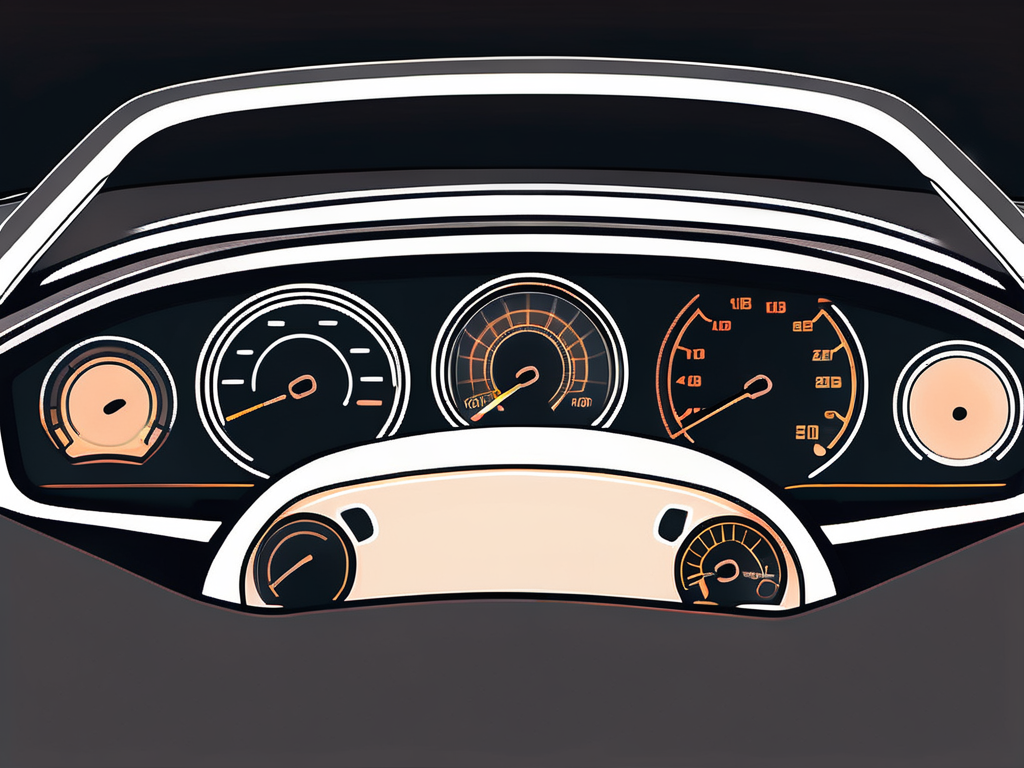
There are several types of interior lights in a vehicle. The most common ones include the dome light, map lights, dashboard lights, and door lights. The dome light is usually located in the center of the vehicle's ceiling and provides general illumination for the interior. Map lights are smaller, directional lights that allow passengers to read without disturbing the driver. Dashboard lights illuminate the vehicle's controls, while door lights provide visibility when entering or exiting the vehicle.
Other types of interior lights include footwell lights, glove box lights, and ambient lighting. Footwell lights illuminate the area under the dashboard, making it easier to find dropped items or operate foot controls. Glove box lights help you find items in the glove box, and ambient lighting provides a soft glow that enhances the vehicle's interior aesthetics.
How to Improve Your Vehicle Interior Lighting
Now that we've covered the basics, let's move on to the fun part - improving your vehicle interior lighting. There are several ways to do this, from simple bulb replacements to installing custom LED strips. Here's a step-by-step guide to help you get started.
Step 1: Assess Your Current Lighting
The first step in improving your vehicle interior lighting is to assess your current lighting. Turn on all the interior lights and observe their brightness, color, and coverage. Are there any areas that are poorly lit? Are the lights too bright or too dim? Do they have a yellowish hue or a cool white color? This assessment will help you identify what needs to be improved.
Also, check for any malfunctioning lights. If a light isn't working, it could be due to a burnt-out bulb, a faulty switch, or a wiring issue. In most cases, replacing the bulb will solve the problem. However, if the light still doesn't work after replacing the bulb, you may need to consult a professional.
Step 2: Choose Your Lighting
Once you've assessed your current lighting, the next step is to choose your new lighting. There are several factors to consider here, including the type of light, the color, the brightness, and the power source.
The type of light you choose will depend on your needs and preferences. If you want to improve general illumination, consider upgrading your dome light or installing additional overhead lights. If you want to enhance visibility in specific areas, consider adding footwell lights, glove box lights, or door lights.
The color of the light can also make a big difference. While traditional interior lights have a yellowish hue, many people prefer the cool white light of LEDs. You can also choose colored lights for a fun and unique look. However, keep in mind that some colors may not be legal in all areas, so be sure to check local regulations.
Step 3: Install Your Lighting
After choosing your lighting, the next step is to install it. The installation process will vary depending on the type of light and the vehicle's make and model. Some lights, like bulb replacements, are easy to install and don't require any special tools. Others, like LED strips, may require wiring and should be installed by a professional.
When installing your lighting, be sure to follow the manufacturer's instructions carefully. Improper installation can lead to poor performance, damage to the vehicle, or even a fire hazard. Also, remember to disconnect the vehicle's battery before starting any electrical work to prevent shocks.
Additional Tips for Improving Vehicle Interior Lighting
Improving your vehicle interior lighting doesn't have to stop at installing new lights. Here are a few additional tips to help you take your lighting to the next level.
Use Reflective Surfaces
Reflective surfaces can help distribute light more evenly throughout the vehicle's interior. Consider adding reflective trim or panels to areas that are poorly lit. You can also use reflective car mats or seat covers to enhance the effect of footwell lights.
Control Your Lighting
Having control over your lighting can greatly enhance its functionality. Consider installing dimmer switches for your overhead lights, so you can adjust the brightness as needed. You can also install timers or motion sensors for your door lights, so they turn off automatically when not in use.
Keep Your Lights Clean
Finally, remember to keep your lights clean. Dust and grime can reduce the brightness of your lights and make them look dull. Regularly wipe down your lights with a soft cloth and a mild cleaning solution to keep them shining bright.
With these tips and tricks, you can significantly improve your vehicle interior lighting. Not only will this enhance your driving experience, but it will also increase the value of your vehicle. So why wait? Start your lighting upgrade today!